For B2B companies expanding into APAC and ANZ, the most effective approach combines a tiered SDR-as-a-Service model with regionally verified contact data, real-time intent signals, and human-audited verification before any outreach begins. Generic list-building fails here. North American databases perform poorly for Australian and New Zealand contacts, driving up bounce rates and damaging sender reputation fast.
What you must verify before signing any vendor:
- APAC/ANZ-specific database coverage and how recently contacts were refreshed
- Multi-channel outreach capability: email, LinkedIn, and direct calls
- Human verification step before broad send (not just automated SMTP checks)
- Qualified meeting SLAs, not raw lead volume commitments
- CRM integration with Salesforce, HubSpot, or your current stack
Pricing shapes to expect:
- Fixed monthly fee tied to a guaranteed meeting target
- Per-qualified-meeting pricing (pay only for booked, confirmed meetings)
- Short pilot programs, typically 4–8 weeks, to validate ICP fit and messaging before scaling
Three questions to ask during vendor screening:
- What percentage of your database covers Australia and New Zealand specifically, and when was it last verified?
- Do you tie fees or KPIs to qualified meetings rather than contact volume?
- Can you show a pilot agreement with defined performance milestones?
Pro Tip: Send to a small sample of 50–100 verified contacts before any broad campaign. Monitor bounce rates for 48 hours. If bounces exceed 3%, pause and re-audit the list before your domain reputation takes a hit.
Table of Contents
- Does your provider comply with APAC/ANZ data privacy laws?
- Which CRM integrations should you require for APAC/ANZ sales?
- How do cultural and language differences affect outreach in APAC/ANZ?
- Can the service scale as your pipeline grows?
- What should the first 8 weeks actually deliver?
- Raki Solutions delivers qualified meetings for APAC & ANZ expansion
- Key Takeaways
Does your provider comply with APAC/ANZ data privacy laws?
APAC is not a single regulatory zone. Australia operates under the Privacy Act 1988 and the Australian Privacy Principles (APPs). Singapore enforces the Personal Data Protection Act (PDPA). New Zealand follows the Privacy Act 2020. GDPR applies when you contact individuals in the EU, even from an Australian base.

Any SDR provider touching contact data across these markets must demonstrate lawful basis for processing, clear opt-out mechanisms, and documented data retention policies. Ask vendors directly: where is contact data sourced, how is consent managed, and what happens when a prospect requests deletion? Providers who cannot answer those three questions cleanly are a compliance liability, not a growth partner.
Which CRM integrations should you require for APAC/ANZ sales?
Intent signals and buying triggers only create value when they flow automatically into your pipeline. Require native connectors or clean API access to Salesforce, HubSpot, and whichever sales engagement platform your team already uses. Manual CSV exports mean stale data by the time an SDR acts on it.
Moving from static list-building to real-time intelligence — funding rounds, leadership changes, hiring spikes — is now standard practice among high-performing outbound teams. Your provider should push those signals directly into your CRM so SDRs see context before they dial. Embedded advisory models that treat real-time intelligence as a core input, not an afterthought, consistently outperform those that deliver a monthly spreadsheet.
How do cultural and language differences affect outreach in APAC/ANZ?
Australia and New Zealand respond well to direct, low-pressure outreach. Much of Southeast Asia requires relationship-building before a meeting request lands well. Japan and South Korea expect formal titles and structured communication. Providers using generic English-only sequences across all APAC markets underperform compared to those who localize messaging and use researchers familiar with local business norms.
For Australian contacts specifically, local corporate registry checks and LinkedIn verification reduce bounce rates more than US-centric database pulls alone.
Can the service scale as your pipeline grows?
Start with a pilot tier covering one market segment. A well-structured SDR-as-a-Service model lets you add meeting volume, expand to additional APAC markets, or layer in new outreach channels without rebuilding the program from scratch. Fixed monthly tiers with defined meeting guarantees give finance teams predictability; per-meeting pricing suits teams testing a new vertical before committing budget.
What should the first 8 weeks actually deliver?
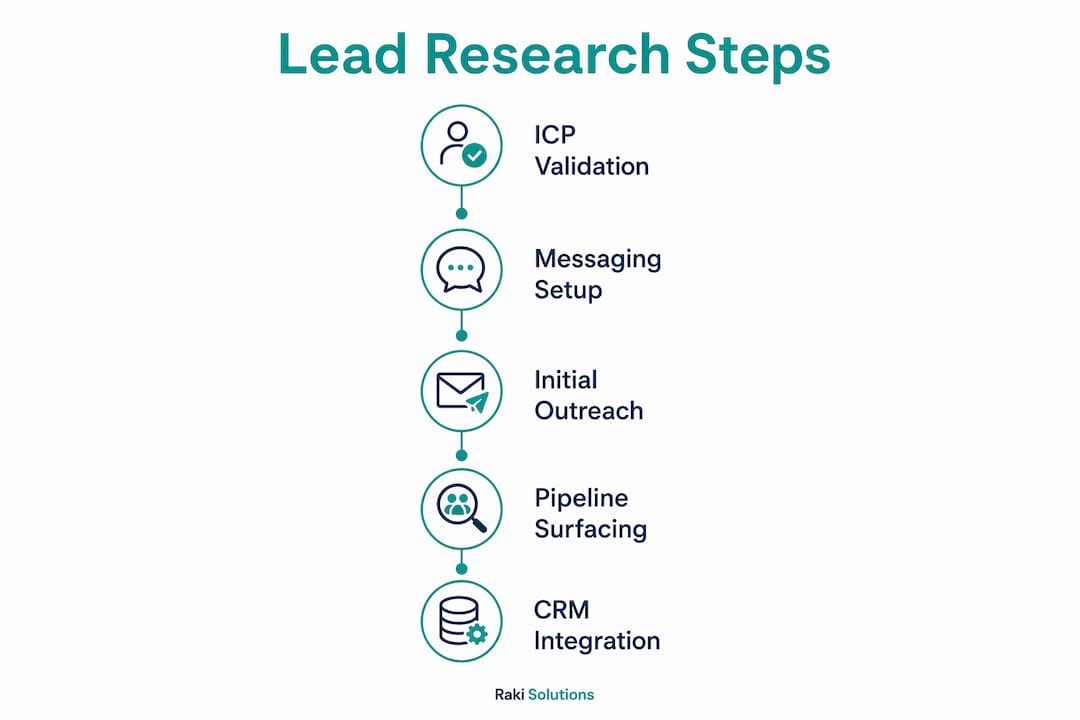
Weeks 1–2 cover ICP validation, messaging setup, and pipeline infrastructure. Weeks 3–4 launch initial outreach and surface early data on open rates and reply rates. By weeks 5–8, you should have enough meeting data to judge whether the ICP, messaging, and channel mix are working. A vendor unwilling to define those milestones in writing is not ready to be held accountable.
Raki Solutions delivers qualified meetings for APAC & ANZ expansion
Expanding into APAC and ANZ without a dedicated outbound function means relying on inbound luck or overloading your existing team. Raki Solutions gives you a dedicated SDR team focused entirely on your target accounts in Australia, New Zealand, and across APAC, without the cost of hiring, training, and managing in-house reps.
The model is built around outcomes: fixed monthly tiers with guaranteed qualified meeting targets, optional per-meeting pricing, and a structured pilot program with defined performance milestones. Every engagement includes target account research, decision-maker sourcing, multi-channel outreach across email, LinkedIn, and calls, weekly reporting, and ongoing campaign optimization. No pooled agents, no shared SDR queues.
Book a discovery call with Raki Solutions to scope a pilot for your APAC or ANZ expansion and see what a guaranteed meeting pipeline looks like for your ICP.
Key Takeaways
The most effective B2B lead research for APAC and ANZ combines regionally verified contact data, real-time intent signals, human auditing, and outcome-based SLAs tied to qualified meetings, not raw lead counts.
| Point | Details |
|---|---|
| Regional data accuracy | Demand APAC/ANZ-specific database coverage; US-centric databases drive higher bounce rates in Australian and NZ markets. |
| Outcome-based SLAs | Tie vendor fees to qualified meetings and pipeline impact, not contact volume. |
| Pilot before scaling | A 4–8 week pilot validates ICP fit, messaging, and meeting quality before full budget commitment. |
| Compliance is non-negotiable | Verify that providers meet Australia's Privacy Act 1988, PDPA, and relevant APAC data laws before outreach begins. |
| Raki Solutions | Dedicated APAC/ANZ SDR teams with guaranteed meeting targets, fixed monthly tiers, and a structured pilot offer. |